

Can you believe it's been a year? This milestone weighs on my mind because, as I've blogged about previously, I have a personal relationship with Japan. I lived and worked for a year in a small Japanese city as part of the JET Program after I graduated from college. Although I only spent one year there, it's an experience that changed my life and I made memories that I will treasure forever.
 |
| Visiting an enthusiastic elementary school class. How cute is this mob of kids?! |
 |
| Hanging out after class with some of my students at a junior high school. These girls were always so cheerful and eager to ask me questions about my life in the United States. |
 |
| I was invited to participate in this school's culture festival, and played the role of a queen in their school play. My costume was provided by the students, tiara and all! The kids decided to cast against traditional gender roles, so the boy next to me in the beautiful white dress played my daughter, the princess. |
Because of my familiarity with the Japanese culture and language, I often review Japan-related material for School Library Journal. Here are a few of the titles I've been privileged to review-- I recommend them as a way to introduce Japan to young readers.
I've mentioned this one before, but it bears repeating: this is an absolutely wonderful book. It's a rare glimpse at a small Japanese village, which is, sadly, a vanishing breed. The photographs and text that make up this book were created by the young people of Toho village as they tell their own story.

Because this book is from a small publisher, it may not be on many people's radar. I highly recommend requesting that your librarian purchase it to ensure that your library carries a copy. In fact, Next Generation Press wants to make it easier for you to recommend this book for purchase at your library! See their library campaign for details.
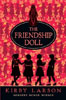 The Friendship Doll, by Kirby Larson
This lovely book by a Newbery Honor winning author takes place mostly in the United States, but it will pique readers' interest in Japan because it's the fictionalized account of one of the 58 Japanese dolls sent to the United States in 1927, and how she works in the life of five children over the decades.
Larson did a great deal of research to write this story, and she expertly brings to life a little-known piece of history about Japan sending dolls to the United States as a gesture of goodwill. After so many years, sadly, some of the dolls have gone missing. Be sure to visit Kirby Larson's blog for an incredible story about how her book was the catalyst in the rediscovery of one of the lost dolls!
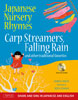 Japanese Nursery Rhymes, by Danielle Wright
Traditional songs and rhymes from Japan are introduced with brightly colored illustrations and an accompanying music CD. This very sweet book is especially perfect for mothers and caregivers to share with young babies and toddlers, or librarians seeking to increase multicultural content in their storytimes. Text is in English and Japanese.
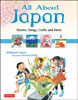 All About Japan, by Willamarie Moore
All aspects of Japanese culture, from arts to food, are celebrated in this lively collection of stories, information, crafts, and activities. Two fictionalized narrators- one child from the city and one from the countryside- describe their daily lives, making it easy for a young reader in the United States to identify with children in far-away country.
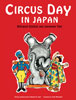 Circus Day in Japan, by Eleanor Coerr
A delightful picture book by the author famous for writing Sadako and the Thousand Paper Cranes, this story follows a brother and sister who travel by train from the countryside to the city to spend an exciting day at the circus. This reprint of one of Coerr's lesser-known works is full of mid-century charm, and the bilingual text makes it an appealing choice for Japanese-American families.
In addition to books, a young reader interested in Japan may also enjoy the beautifully designed iPad app, Chasing Fireflies: A Haiku Collection. Read my review on School Library Journal's Touch and Go blog.
One year after the earthquake and tsunami, Japan has made an amazing amount of progress in rebuilding. Thanks to Google Street View, you can travel virtually through the affected areas as they were before the disaster and as they appear after recovery efforts: Japan: Before and After the Earthquake and Tsunami
The Atlantic has an incredible gallery of photographs taken during and just after tsunami and the same locations now: Japan Earthquake: Before and After
A happy update on one of the iconic photographs that emerged last year: After the Tsunami, Yuko Sugimoto's Reunion With Her Son
Despite the encouraging progress, help and support for Japan are still needed. It can be challenging to find organizations that are still actively involved in the relief efforts, but Global Giving's Japan Earthquake and Tsunami Relief Fund looks like a good choice.
You may also consider purchasing a copy of Tomo: Friendship Through Fiction, a collection of short stories about Japan, written for teens. From the anthology's website:
"Proceeds from the sales of Tomo will go to organizations that assist teens in the quake and tsunami hit areas. Tomo, which means friend in Japanese, aims to bring Japan stories to young adult readers worldwide, and in so doing, help support teens in Tohoku."And finally, consider visiting Japan. Tourism is down, and visitors are very much welcome. It's a fantastic, vibrant place to visit, with so much to see and do.


